Home / Search

Company Profile

Empowering Global Brands

With Premium Printing & Packaging

Shanghai Shundu Printing Co., Ltd.

Shanghai Shundu Printing Co., Ltd. has been focused on packaging printing for 19 years. From structural design and digital proofing to large-format printing and post-press processing, the entire workflow is completed in-house. The company mainly undertakes products such as color boxes, corrugated boxes, card boxes, posters, display pallets, and display stands

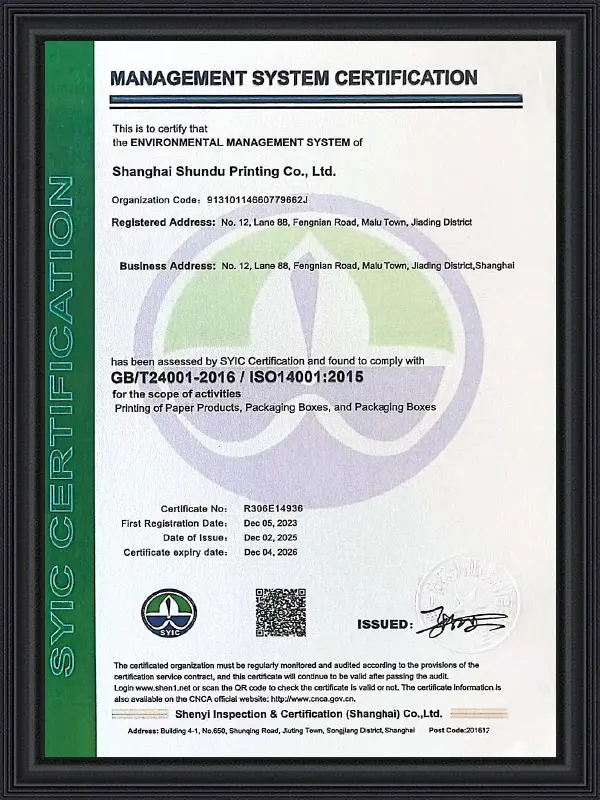
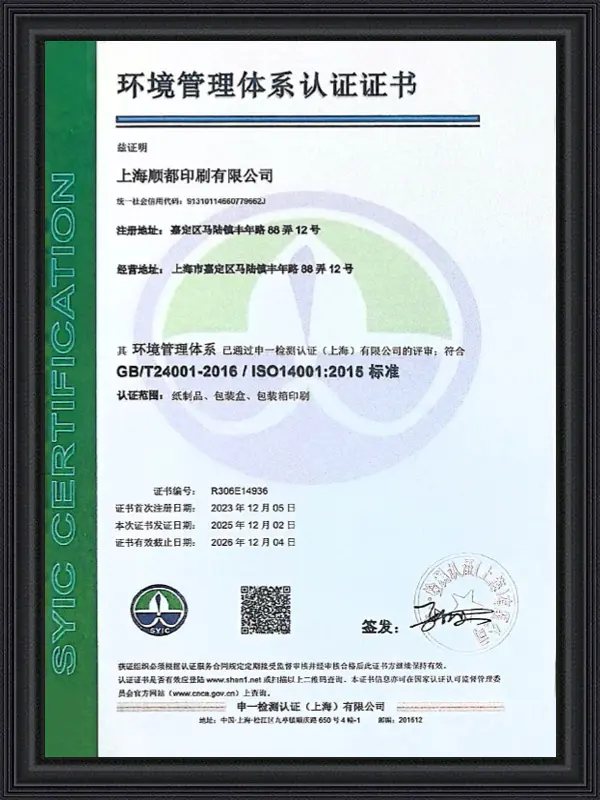
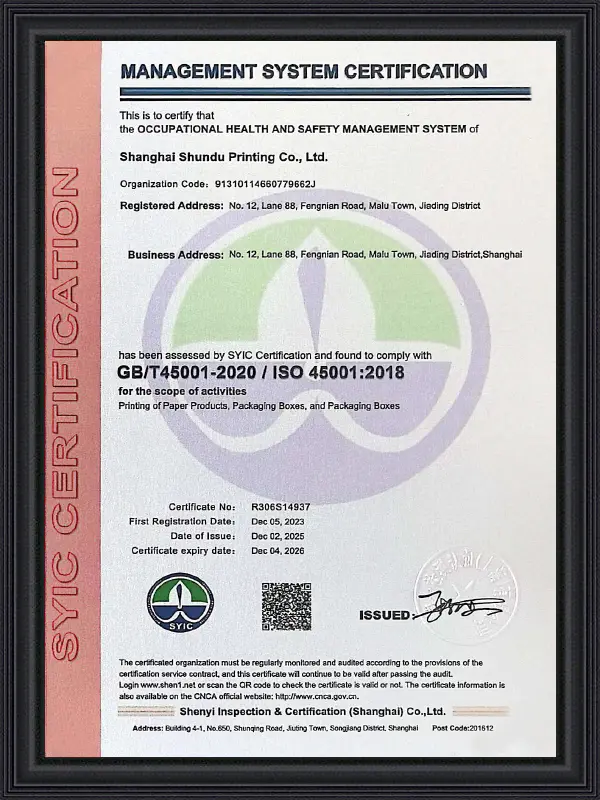
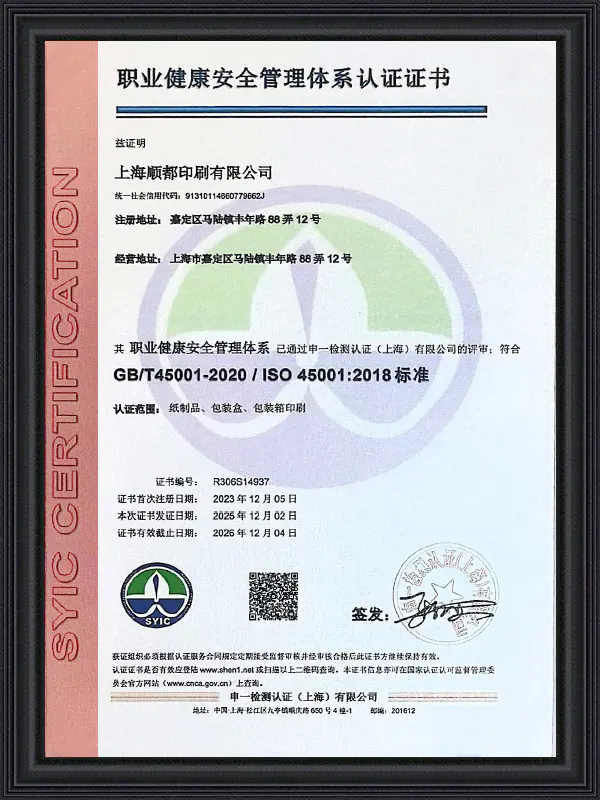
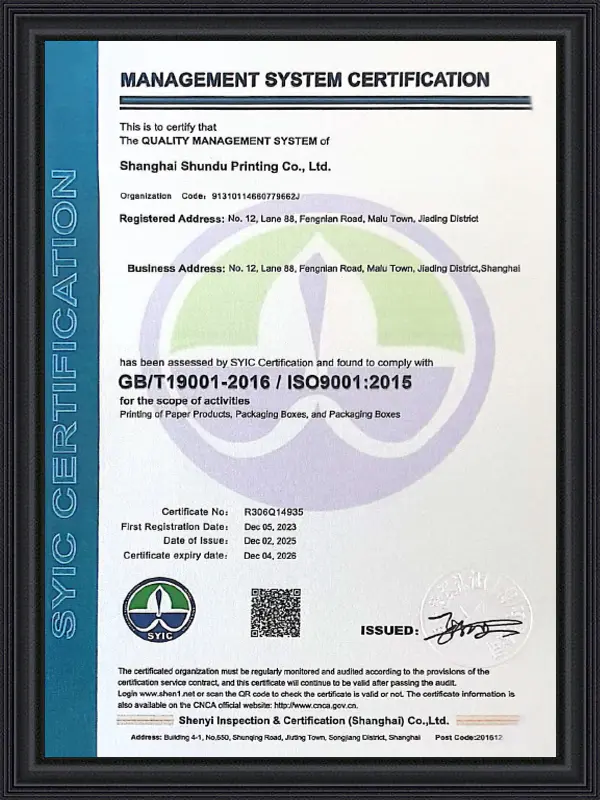
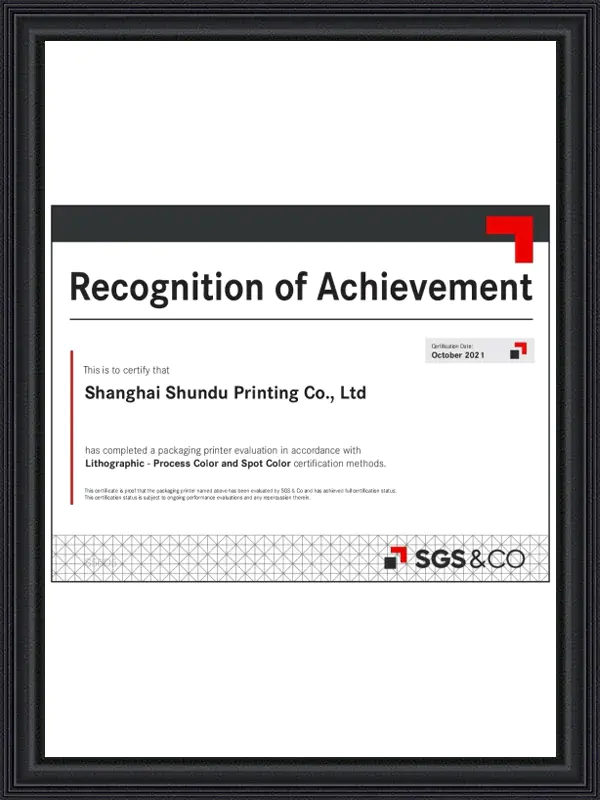
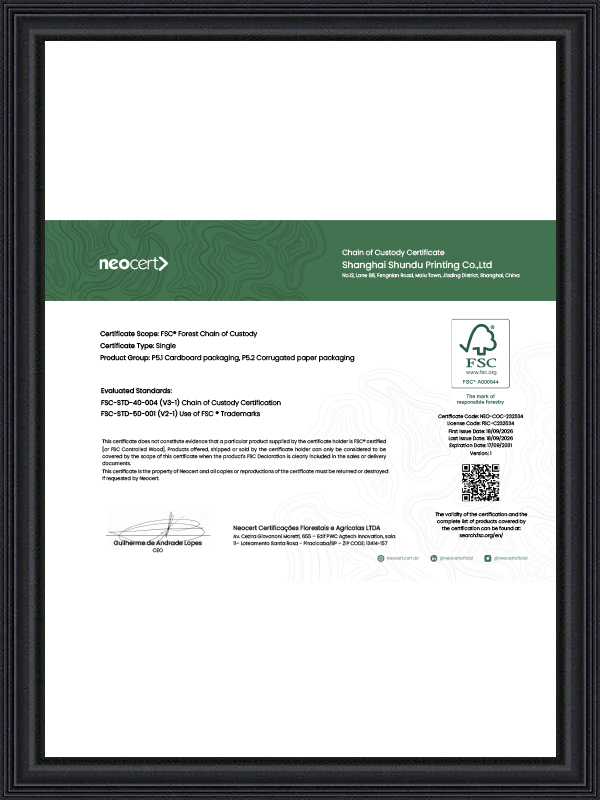
The company adopts a CIP3 ink preset system and an ERP management system, and has passed five certifications: ISO 9001, ISO 14001, ISO 45001, FSC, and SGS. Quality control runs through every stage from raw material procurement and printing production to finished product warehousing, ensuring that every batch of products leaving the factory meets customer acceptance standards.

Discover Our Strengths
Certificate Of Honor
NEWS CENTER

Corporate News & Industry Insights

  • Sep, 14, 2026 Industry News

    Large Format Full-Sheet Printing for Overseas Packaging & Display Orders

    Equipped with large format full-sheet printing capability for mass production of color boxes, corrugated boxes, card boxes, posters, display stacks and display stands. Professional design and prepress teams undertake high-volume, high-quality orders to meet overseas brands’ requirements for packaging and retail displays.
  • Sep, 14, 2026 Industry News

    One-Stop Printing Solutions Covering the Whole Production Process

    One-stop printing services include product design, sample cutting, proofing, proofreading, production and finished printing. The full-chain service simplifies overseas procurement, shortens lead time and reduces communication costs.
  • Sep, 14, 2026 Industry News

    Multiple International Certifications to Ensure Export Compliance

    The production site holds ISO 9001:2015, ISO 14001:2015, ISO 45001:2018, FSC and SGS certifications, complying with quality, environmental and safety standards of European and American markets.
  • Sep, 14, 2026 Industry News

    Digital System Empowerment & Full-Range Quality Control

    Adopted CIP3 ink preset system and ERP management system. Quality control runs through raw material procurement, printing production and finished goods warehousing to stabilize batch quality and ensure delivery of foreign trade orders.
  • Nov, 06, 2026 Industry News

    Corrugated Flip Top Boxes Save Steps At Packing Stations

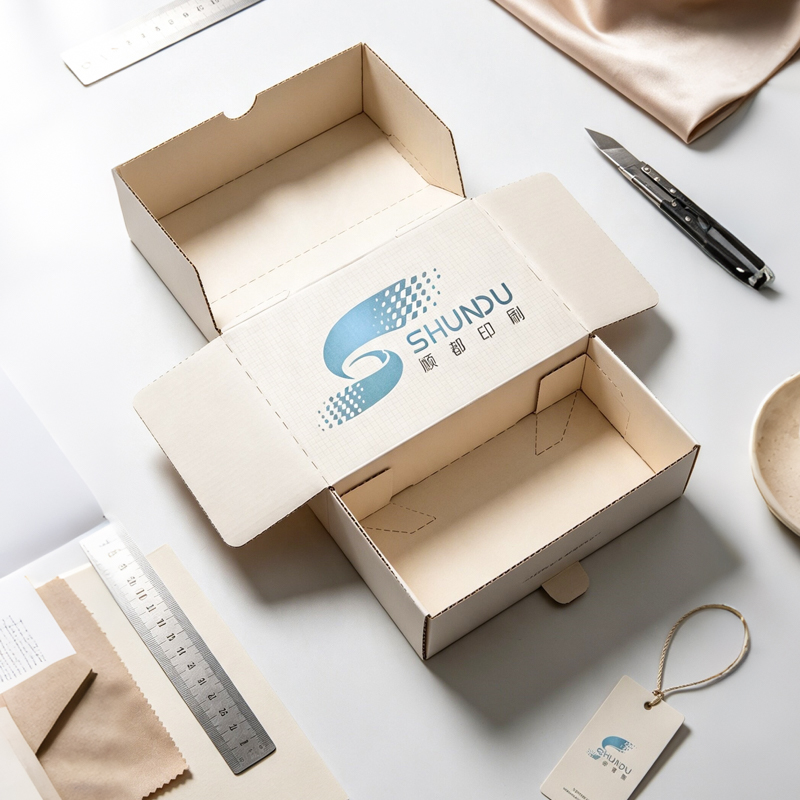
    Corrugated Flip Top Boxes are built around the packing station, where the box decides how many hand movements each order takes. Shanghai Shundu Printing makes them as a direct factory, in an 85,000 square meter plant with 19 years of packaging printing behind it, and the format combines a hinged lid that stays attached to the body, a compact shape and a flat form for storage. For brands that ship subscription kits, small electronics or gift sets, those details shape both the packing line and the opening experience at the customer's door. Flat Blanks Change What A Warehouse Holds A box that arrives assembled carries mostly air, and that air takes up pallet space, shelf space and freight volume. Corrugated Flip Top Boxes from Shundu arrive as foldable, flat-pack blanks, so the same pallet holds many more units than it would with finished boxes. The compact 150 x 100 x 40 mm size adds to the effect, since a small footprint keeps stacks short and easy to reach. E-flute corrugated is among the thinner flutes, at roughly 1.5 mm, which keeps a flat stack tight while still giving the walls a sturdy, premium feel. Flat blanks also let a brand hold several box versions in a small corner of the warehouse, with a seasonal print for Subscription Boxes next to the standard one, and fold only what the day's orders need. One Hinged Lid Means One Motion At The Packing Station A two-piece box asks the packer to find a base, find a matching lid and keep the two together. The hinge-lid structure of Corrugated Flip Top Boxes removes that step. The packer folds the blank, places the product, and closes the lid in one movement, and the order moves on. For Subscription Boxes that ship in the thousands each month, shaving a motion from every box adds up across a shift. The same structure shapes the opening. A lid that lifts on a hinge presents the product at once, with nothing to set aside and no loose part to lose. That reads as a deliberate reveal for a skincare set or a pair of earbuds, and it works as a small piece of brand presentation without extra components. Board And Print Choices Set The Tone Shundu's standard version uses 300 g greyboard with a white back, wrapped around E-flute corrugated. Board weights from 250 g to 400 g are available, and E, B and EB flutes cover lighter and heavier needs. The standard build of Corrugated Flip Top Boxes suits a light product like a lip balm set, while a heavier gadget kit benefits from a stronger flute combination. Printing runs in full-color CMYK plus Pantone, which suits Printed Flip Top Boxes where a brand color has to match across packaging, inserts and a website. Finishes include matte lamination as standard, with gloss, soft-touch, spot UV and foil stamping as options. Matte lamination with a single foil logo gives a restrained look, while soft-touch with spot UV gives a more tactile one. Each finish changes the feel of Corrugated Flip Top Boxes in the hand without changing their size. From Sample To Shipment Ordering follows a clear path. Samples are developed for structure, material and print approval before mass production, and the minimum order is 1,000 units per design. Lead time is 7 to 15 working days after sample approval for most orders, and a daily capacity above 100,000 pieces keeps repeat orders of Corrugated Flip Top Boxes on a steady schedule. Color is handled under G7 Master certification, which targets consistent gray balance and CMYK overprint from proof to production run. For a brand that reorders every quarter, the second batch of Corrugated Flip Top Boxes matches the first on the shelf and in the customer's hands. A request for a custom size, a different flute or a particular Printed Flip Top Boxes finish goes straight to the people who print and fold the box, and a brand planning its next subscription kit can start from the standard 150 x 100 x 40 mm build and adjust size, board and print from there, since the same Corrugated Flip Top Boxes  structure carries across the range.  
  • Nov, 12, 2026 Industry News

    OEM Cardboard Boxes Start From The Product Dimensions

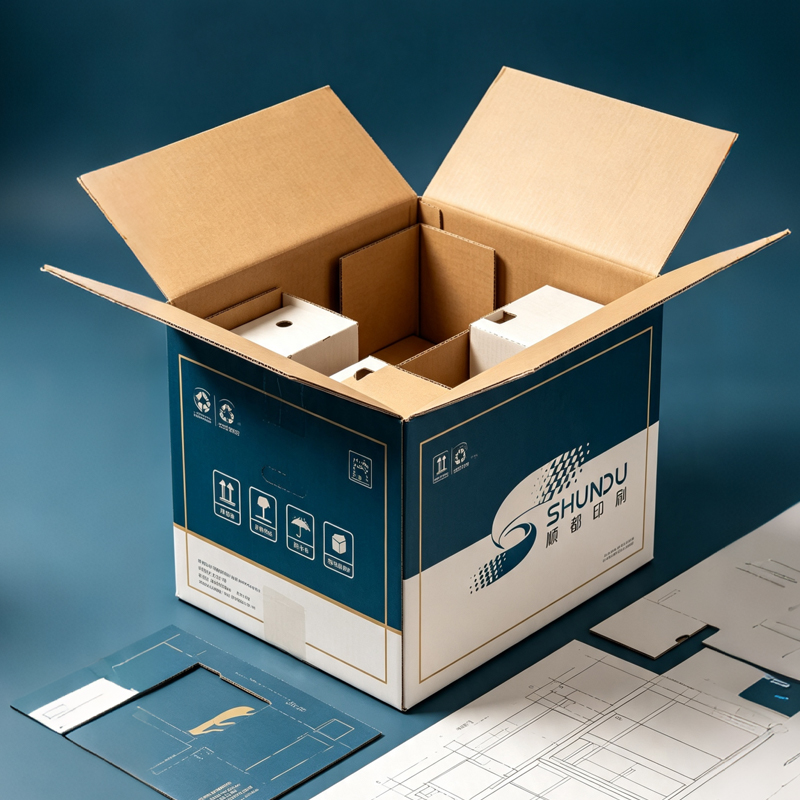
    OEM Cardboard Boxes are specified from the product outward, and each decision in an order follows from the one before it. The product fixes the inner size, the shipping route fixes the board, and the artwork fixes how the flat pattern is laid out. Working in that sequence keeps a packaging project short and keeps revisions small, because every later choice already sits inside the limits set by the earlier ones. The Product Sets The Inner Dimensions The first figures in any order are length, width and depth, measured from the product as it will actually be packed, including any wrap, sleeve or insert. A small clearance is added around that volume. Too little clearance makes packing slow and scuffs the product surface, while too much leaves room for movement during transport. The right allowance depends on the product and on how it is loaded, by hand or by line. Outer dimensions follow from the inner ones. Each wall adds the thickness of the board, and a double-wall board adds more than a single wall, so the outside of the carton grows by a predictable amount. For OEM Cardboard Boxes, the inner size is the number brand and factory share from the first drawing to the finished carton, and the outer size is calculated from it. Shipping Load Sets The Board The route that OEM Cardboard Boxes travel decides how strong the board has to be. In a warehouse or a container, the bottom carton in a stack carries the weight of every carton above it, and the board is chosen to carry that load with a margin. Edge crush strength is the figure commonly used to rate Corrugated Cardboard Packaging for stacking. Flute type shapes the result. E-flute is thin and gives a smooth surface for printing, which suits retail-facing cartons. B-flute is thicker, with more cushioning and better stacking performance, and combined flutes, EB among them, add strength through a double wall. Shundu's flip top box page lists E, B and EB flute options, and its category range also includes corrugated tuck end boxes, corrugated boxes with handle and printed corrugated mailer boxes, each carrying a different load. A retail carton and a shipping carton can share a size and still call for different board. Structure And Artwork Share One Dieline The dieline is the flat pattern of a carton, showing cut lines, fold lines, glue flaps and the position of every printed element. Structure and artwork are approved on the same flat sheet, which is why they are developed together. A logo placed across a fold, a barcode too close to a crease or a color panel that stops short of a flap all show up on the dieline before any board is printed. For OEM Cardboard Boxes, logo, colors, artwork, barcode and product information are placed on that pattern, and the structure is confirmed in a physical sample. Samples are developed for structure, material and print approval before mass production, so changes happen on one sample rather than across a full run. The same dieline then carries into printing and post-press steps without being redrawn. Shanghai Shundu Printing, with 19 years in packaging printing, runs that path in-house from structural design and digital proofing through large-format printing and post-press processing, so OEM Cardboard Boxes keep the structure confirmed on the sample through printing and finishing. Repeat Orders Start From Approved Figures An approved carton leaves a record behind it: confirmed inner dimensions, board choice, dieline, color settings and a physical sample. A second order of OEM Cardboard Boxes starts from those figures instead of a blank brief, and a new product in the same line of OEM Cardboard Boxes can reuse the artwork files and color standards already approved. Shundu's Custom Paper Packaging Boxes category covers printed folding packaging boxes, beverage packaging boxes, food packaging boxes, corrugated tuck end boxes, corrugated boxes with handle and printed corrugated mailer boxes, so a retail carton, a mailer and a handled box can share one set of files. Sizes, structures, materials, printing and finishing are customizable across that range, with kraft paper, paperboard and corrugated board available for food, cosmetics, apparel, gifts and consumer products. Each repeat order of OEM Cardboard Boxes carries its specifications forward, a Custom Paper Packaging Boxes order built this way keeps its size, board and print consistent, and the Corrugated Cardboard Packaging that follows matches the first run.
  • Nov, 12, 2026 Industry News

    Folding Gift Box Factory Planning Covers Three Viewing Distances

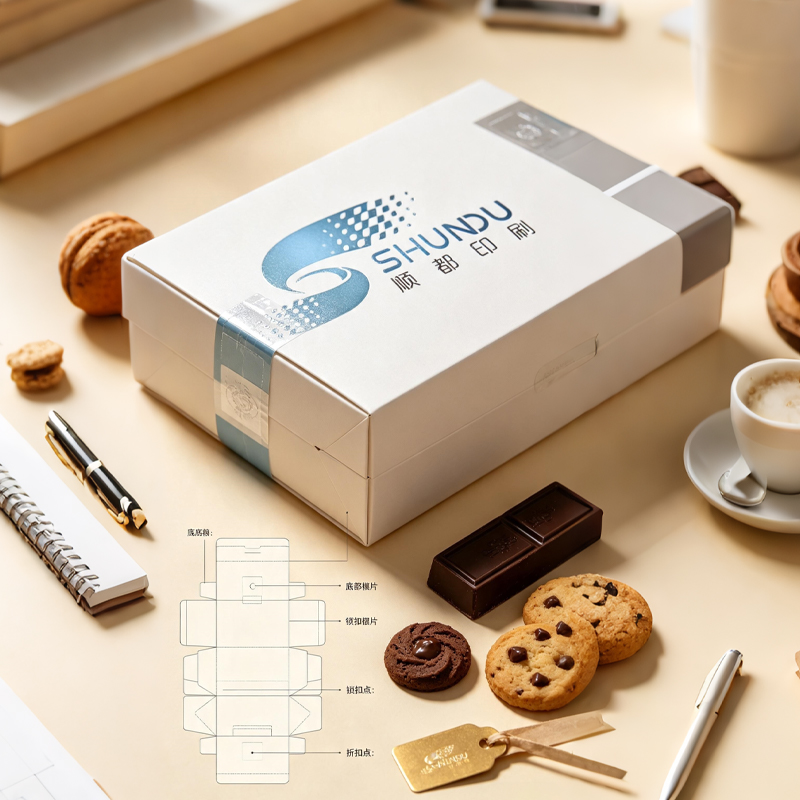
    A Folding Gift Box Factory builds each box for three viewing distances: the shelf, the hand and the moment the lid opens. Each distance asks for different things from the same carton. The shelf rewards strong color and a clear brand mark, the hand rewards a well-chosen board and finish, and the opening rewards inside print and a precise fit around the product. Planning an order along those three distances keeps gift packaging consistent from the first sketch to the last carton. The Shelf Distance Is Set By Outer Graphics From a meter away, a gift box is read as a block of color with a brand name and one or two product cues. Large color fields, a logo placed on the main panel and text sized for reading at that distance do most of the work. Brand colors matter most here, because a gift range is often displayed side by side. Pantone matching carries a brand color from one box size to the next, and a Folding Gift Box Factory that runs printing under G7 color management keeps gray balance and CMYK overprint stable between runs. A CIP3 ink preset system adds to this by passing prepress data to the press, so ink settings start close to the target before the first sheet is printed. For Wholesale Foldable Gift Boxes sold as a collection, that consistency means a small box and a large box in the same line read as one family. The Hand Distance Is Set By Board And Finish Once a gift box from a Folding Gift Box Factory is lifted, the board and surface take over. Folding cartons are lightweight, and the board weight decides how firm the walls feel when pressed. A heavier paperboard gives a rigid hand feel, and a lighter one keeps shipping weight down for large wholesale volumes. At a Folding Gift Box Factory, surface finishing shapes the touch. Matte lamination reads as restrained, gloss lifts color, soft-touch gives a velvet feel, and spot UV or foil stamping picks out a logo or pattern. Shundu's flip top box page lists these finishing options, and the Custom Printed Folding Boxes category describes custom sizes, materials, printing and finishing across the range. Printed Gift Packaging Boxes can combine two finishes on one carton, with a matte field and a foil mark, so the hand and the shelf distance reinforce each other. The Opening Distance Is Set By Inside Print And Fit The third distance begins when the lid moves. The inside of the carton, the way the product sits and the sound and feel of the closing fold all belong to the gift experience. A Folding Gift Box Factory prints the inside panel with a color or pattern to turn the opening into a planned reveal, and custom inserts hold the product in place so it sits centered rather than sliding. Fit comes from the dieline. Precise crease lines make a carton close squarely every time, and consistent folds across thousands of units keep a gift range looking uniform on a store shelf. A Folding Gift Box Factory treats fit as a production figure, set at the structural design stage and confirmed on a sample before the run starts. Shundu's category lists folding structures including tuck end boxes, boxes with handle and flip top boxes, which give the opening a different character in each case. One Range Carries The Gift Line Gift programs rarely stay at one carton. A brand that starts with a single box usually adds a second size, a handled version or a flip top within a season, and each addition has to read as part of the same line. Shundu's Custom Printed Folding Boxes category lists 13 products for that purpose, among them printed folding packaging boxes, printed product packaging boxes, beverage packaging boxes, corrugated tuck end boxes, corrugated boxes with handle, flip top boxes and a regular slotted container. A tuck end carton suits a compact retail gift, a handled box suits carrying, a flip top gives a hinged reveal and a beverage carton holds drinks. A Folding Gift Box Factory that makes the whole range can produce those structures under one artwork system, so shelf, hand and opening stay consistent from the first carton to the last. Shundu produces Wholesale Foldable Gift Boxes and Printed Gift Packaging Boxes with sizes, materials, printing and finishing set to the brand's own range, serving food, cosmetics, apparel, gifts and consumer products, with quality control running from raw material procurement through printing to finished product warehousing. For a retailer building a seasonal gift line, a Folding Gift Box Factory with that coverage turns one brief into a family of boxes.
  • Nov, 12, 2026 Industry News

    Easy Fold Mailer Boxes Are Changing How Small Shops Ship

    For a growing online shop, the box is not the first thing anyone thinks about. Products, photos and ads get the attention, and packaging gets whatever budget is left. That is starting to change. Easy Fold Mailer Boxes are showing up in more fulfillment rooms because they address three problems that small sellers feel every day: storage space, packing speed and the first impression a parcel makes at the door. Storage Space Is the Hidden Cost of Packaging Flat boxes, empty shelves Ready-made boxes take up room. A stack of assembled cartons can fill a corner of a small warehouse or a spare bedroom, and every extra pallet of packaging means less room for stock. Easy Fold Mailer Boxes arrive flat, so the same shelf holds far more of them, often freeing well over half of the space that assembled boxes would occupy. For a seller who rents storage by the square meter, that difference shows up directly in the monthly bill. A faster packing line Packing is a repetitive job, and small delays add up across hundreds of orders. A box that folds into shape in a few moves keeps the line moving, and it keeps new helpers productive on their first day. When Easy Fold Mailer Boxes replace glued or taped cartons, packers spend less time wrestling with cardboard and more time checking that the right item went into the right box. Protection Without Bulk Corrugated cushioning for small parcels Flat does not have to mean fragile. Corrugated board with a fine flute gives a parcel a layer of cushioning against bumps, stacking and rough handling, while staying thin enough to ship efficiently. For small and medium goods such as cosmetics, accessories or notebook sets, that level of protection is usually what customers expect. Sellers who switch to Easy Fold Mailer Boxes often find they can drop extra filler, which lowers cost and cuts waste. Why lighter packages matter Carriers price by weight and volume, and a lighter, tidier box can keep shipping charges down. Over a year of orders, the difference between a bulky carton and a well-fitted folding mailer becomes noticeable. This is one reason Easy Fold Mailer Boxes appeal to subscription services that send the same size of parcel month after month. Printing Turns the Box Into a Brand Moment Color that holds up A plain brown carton says very little about the shop that sent it. Full-color printing changes that, because a surface that accepts CMYK and Pantone colors can carry a logo, a pattern or a short message in the brand's real colors. A matte finish gives the outside a calm, premium feel that suits skincare, stationery and gifts. A printed set of Easy Fold Mailer Boxes can make a small shop look larger than it is. Unboxing as marketing Customers increasingly share what arrives at their door. A neat box with a clear brand identity gives them something worth photographing, and every photo is free exposure. Small sellers who cannot afford advertising often find that Easy Fold Mailer Boxes work as a quiet marketing tool that travels with every order. Who Is Choosing Them The range of users is wider than it first appears. E-commerce brands use them for direct-to-consumer orders and subscription boxes. Snack and food sellers use them for dry goods and confectionery gift sets. Cosmetics brands pack skincare sets and makeup bundles in them, electronics sellers ship cases and cables, and companies send corporate gifts and stationery sets. In every case the appeal is the same: a box that costs less to store, packs quickly and still looks considered. That broad appeal explains why Easy Fold Mailer Boxes keep gaining ground across very different product categories. Packaging Is Moving From Cost Line to Brand Line Packaging used to be treated as a cost to be minimized. Sellers now see it as part of the product, because it is the first thing a customer touches. A box that saves warehouse space, speeds up packing, protects the goods and carries the brand is doing four jobs at once. As online order volumes keep growing, Easy Fold Mailer Boxes look likely to stay a practical answer for shops that want to ship well without carrying a heavy packaging bill.  
Message Feedback